

I’ve been a web designer for around 15 years, and in that time, the industry has changed massively. It’s obviously evolved in terms of the technology we use, the processes we undertake, and the tools we have at our disposal. But one of the most significant shifts has been the lifespan of websites and I think that’s a leading cause for the shift for me as an agency UX designer.
Breaking the Three-Year Cycle
Back when I first started out, websites typically only lasted about three years before they were replaced. In the course of those three years, CMSs, front-end technologies, and user expectations changed so quickly that a website was really an antique by that point. It was easier to rebuild from scratch than to try and make it live up to current standards.
Websites now need to be built less often. And when they do, it’s a much bigger project. That tends to be a good thing; lots of thought goes into the infrastructure, the information architecture, the main user journeys, the editing experience… the list goes on.
However, over the last few years, as the economy has faced hardships, organisations no longer want to invest in that process in the way they once did. We’ve started to see a decline in what organisations are willing to pay to have a really great product built.
What we find now when pitching for work is that we’re facing competition from people trying to offer very cheap solutions. It’s essentially a race to the bottom.
At Illustrate Digital, we don’t do quick and dirty websites. That’s not what we’re about. Our developers are building high-quality products. Our design team is looking to make informed and impactful, research-led decisions about the design work we deliver. Very short, low-budget builds simply don’t support that way of working. Doing things to a high standard is what’s allowed us to create a brilliant niche serving regulated industries.
The Shift to Optimisation
So where does that leave us?
Something I struggled with for a while was the thought that I was creating fewer websites. Increasingly I was working on optimising websites, sometimes those websites which were built by cheaper competitors and now needing to clear the technical and UX debt left in their wake!
When I first started realising that trend, I looked back with rose-tinted glasses to the time when I worked almost solely on end-to-end new build design projects. It felt very satisfying to be able to look back on those, particularly as for a long time I was doing quite a large part of the stack; being involved in the early stages of sales conversations, then working on the research, the planning, the ideation, right through to the UI design.
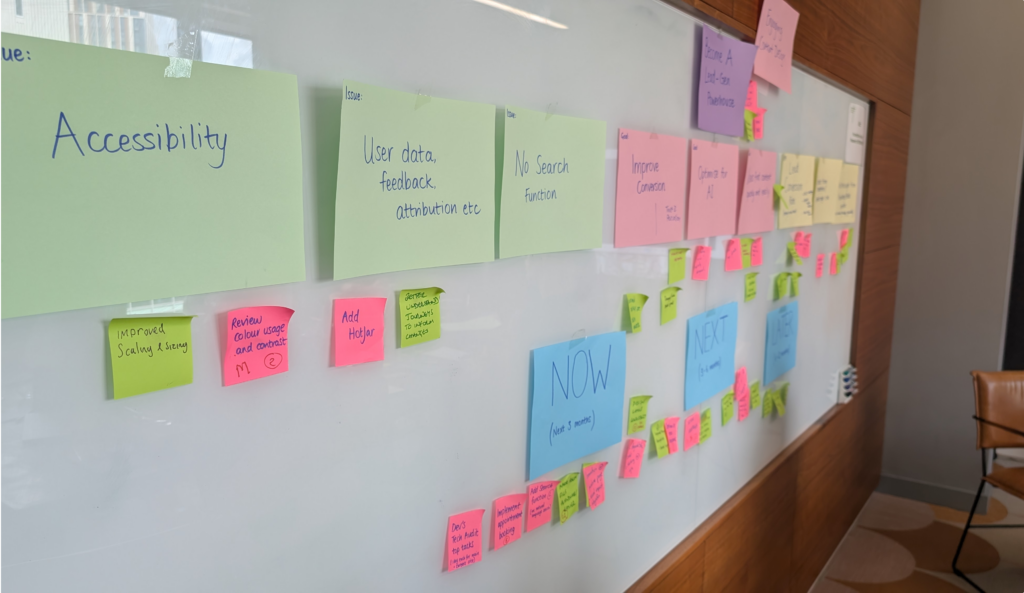
Switching into a retainer-first model initially felt like it wasn’t as complete. It didn’t feel like such an achievement. There wasn’t that rush of getting a big project over the line.
Learning to Love the Details
What I’ve come to appreciate now is that when you’re working on growth retainers, particularly when you’re partnering with dynamic client marketing teams, you actually get time to sweat the small stuff.
You get to take a feature apart. Research it. Do some user testing. Look at the data. And work on tweaking it.
The key is having clear metrics from the outset. When you build those measurements into your design process from day one, you can actually see the impact of your work. And there’s nothing quite as rewarding as looking back at the data and seeing that you’ve genuinely moved the needle for your client.
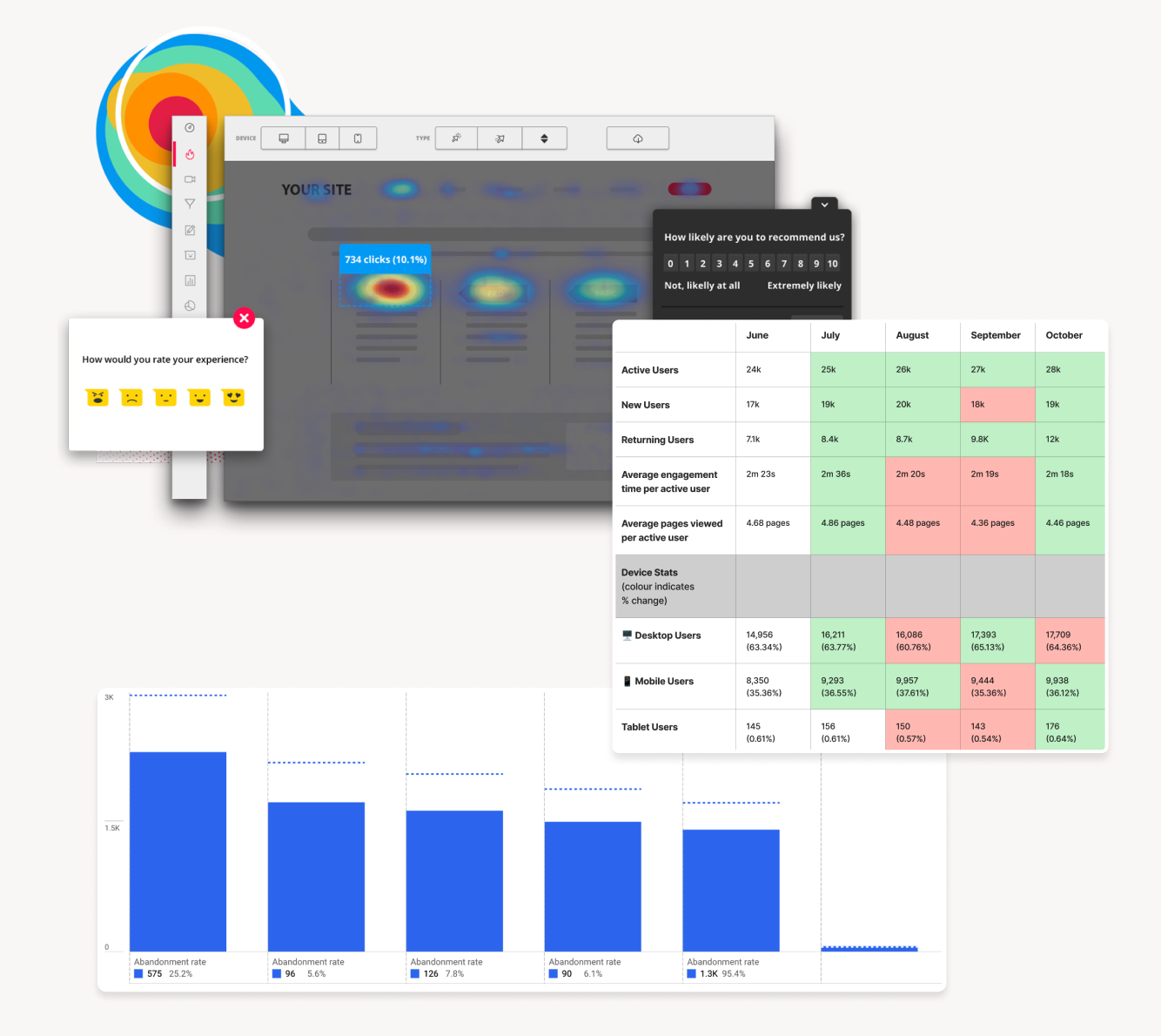
It also sharpens your skills and makes you a better designer because you know exactly what works. You’ve tried it. You didn’t just stick a whole website live and hope for the best. You pored over the details of features, you trialled different outcomes to see which ones performed best, and you came out knowing exactly what it needed to drive impact.
In that process, you learn to be truly user-led and data-led. And that is how you deliver impact to your clients.
Results for Regulated Sectors
A great example of this is the work we’re doing with the team at Pepper Money. In addition to supporting their marketing initiatives, we’re using analytics, heatmaps, screen recordings and user interviews to inform impactful redesigns of their core features.
Our recent overhaul of their on-site search has led to a 30% increase in engagement on search results pages, helping customers and brokers to find essential information on complex financial matters.
Large enterprise organisations often have internal UX and development teams to manage their digital products, ensuring they meet business KPIs and keep them ahead of the curve. By working with an agency like ours on a continuous research and optimisation basis, our clients don’t have to miss out on the benefits of a dedicated product team. And as a UX designer, there’s satisfaction in being part of a team that’s consistently driving measurable improvements rather than just delivering and walking away.
Is this something which would be useful for your team?
The UX team at Illustrate Digital specialises in growth-focused optimisation for organisations in regulated industries. If you’re looking for a partner who takes the time to get the details right and deliver measurable results, get in touch.
